Skylight Lifespan Guide
How long do skylights last? Acrylic domes, glass skylights, and commercial systems — lifespan by product type and signs it is time to replace.
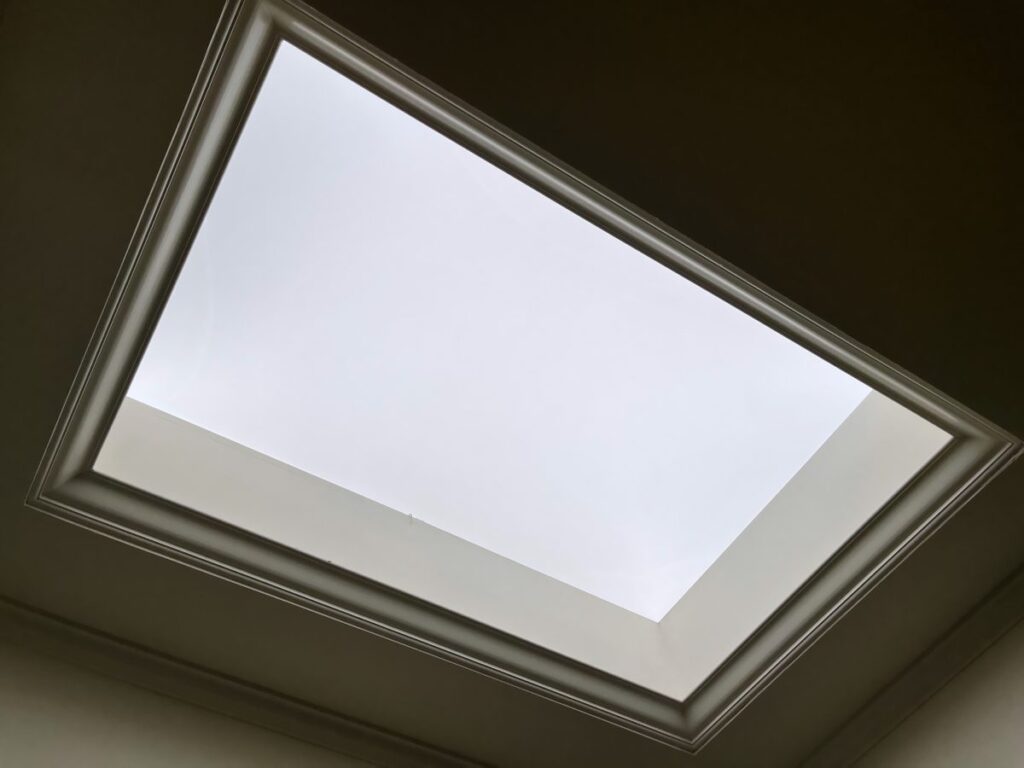
Skylight lifespan varies significantly by product type. A Velux glass unit installed correctly can last 30 years without issues. An acrylic dome in the same location will show visible degradation in 15 and need replacement by 20. Knowing what you have and what to expect from it helps you make smarter repair versus replacement decisions.
Acrylic and Polycarbonate Domes
Useful life: 15–20 years. These are the most common skylights on older Los Angeles homes and commercial buildings. They are made from UV-stabilized acrylic or polycarbonate that degrades over time under California sun. The failure sequence is predictable: yellowing starts around year 10–12 and becomes pronounced by 15–17. Brittleness follows, the material becomes prone to cracking under thermal stress. By year 20, most acrylic domes have compromised UV stability and reduced structural integrity.
There is no restoring an acrylic dome once it has yellowed. Replacement is the only option.
Glass Skylights
Useful life: 25–35 years. Modern glass skylights, Velux, CrystaLite, Solar Industries glass line, use tempered or laminated safety glass that does not degrade the way acrylic does. The glazing itself can last indefinitely under normal conditions. What limits the practical lifespan is the frame, gaskets, and hardware.
Aluminum frames in inland locations last 30+ years without issue. Coastal installations in Santa Monica or Malibu see accelerated corrosion from salt air, frames on low-quality coastal installations can show significant corrosion in 10–15 years. Velux uses better anodizing and hardware than budget brands, which matters in coastal environments.
Commercial Systems
Useful life: 20–30 years for flat glass commercial systems; 15–20 years for polycarbonate dome systems. Commercial skylights live harder lives, more thermal cycling, more UV exposure on flat roofs, and less frequent maintenance attention. The curb-to-membrane connection is usually the first failure point, followed by the glazing seals on glass systems.
Signs a Skylight Is at End-of-Life
- Yellowing or discoloration of acrylic glazing
- Visible crazing or micro-cracking on acrylic surfaces
- Frame corrosion visible at corners or hardware points
- Recurring leaks after proper re-flashing
- Failed glazing seals that allow condensation between panes
- Warped or deformed frame that no longer sits flat